Before registration, carbon project developers need land that meets an approved methodology's applicability conditions, a defensible baseline and documented land rights.
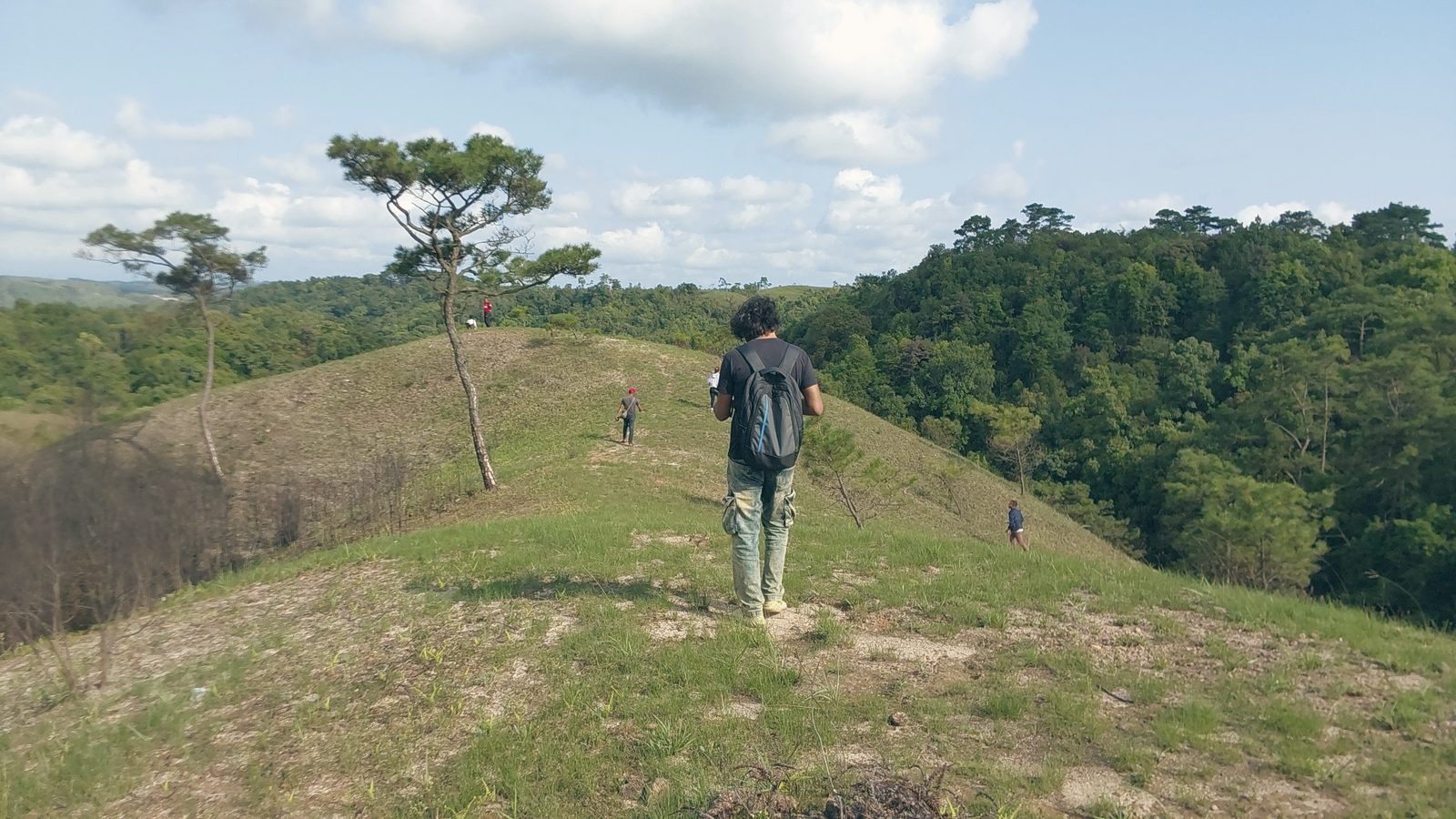
Our work for nature-based carbon project developers runs as one workflow: Identify, Plan, Execute and Report. Identify comes first: screening and feasibility before any design, because site eligibility, land rights, baseline approach and host-country readiness are hard to fix once design is under way.
At Plan, we draw up the planting and monitoring design for the methodology you will register under, and cost the monitoring before planting begins.
At Execute, your field teams capture geotagged photographs and task records on site, offline where there is no signal.
At Report, our nature-based solutions MRV work turns that evidence into monitoring data and reports. Your validation and verification body can trace each record back to where and when it was captured.
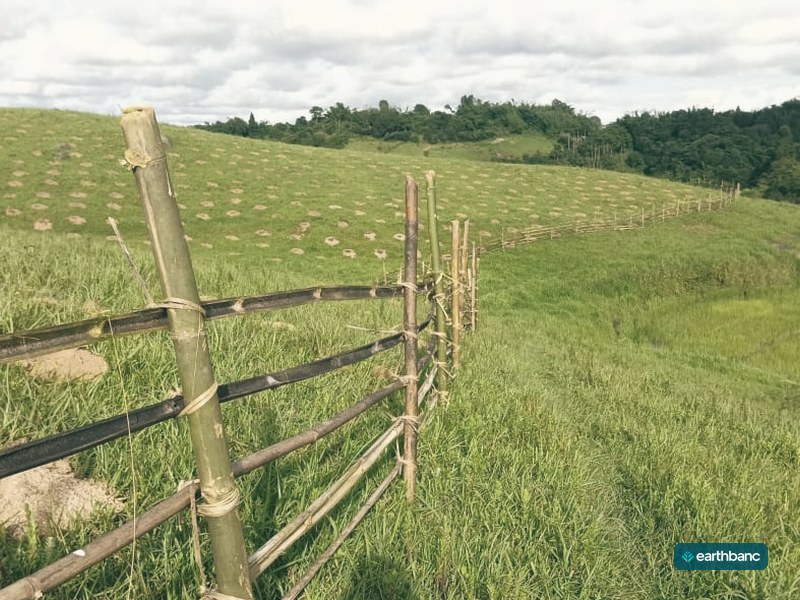
Screening outputs are modelled estimates, not field measurements. They show whether candidate land is likely to be eligible and roughly how much carbon it could generate.
For a reforestation carbon project developer working under Verra's VM0047 methodology for afforestation, reforestation and revegetation (ARR), credited removals depend on direct field measurement, with remote sensing used for relative stock change.
Field plots are measured to the registered methodology and checked by the validation and verification body, which re-measures where the registry requires it. We only call a result field-measured when plots were actually measured, so your report stands up to the verifier's own checks.
Our guide to VM0047 data requirements lists the data an ARR project must hold, and our carbon MRV service covers monitoring after registration.

This work is for commercial carbon and nature-based project developers, who contract the validation and verification body and carry registration and issuance risk. Some buyers set thresholds before contract: an advanced project design document, completed pilot planting, a dynamic baseline, land tenure documents and benefit-sharing plans. Feasibility covers the baseline approach and tenure evidence, Plan and Execute produce the pilot planting records, and development support covers the project design document.
Conservation and restoration NGOs have their own page: [link to NGO page, URL to be set].
Screening and feasibility are scoped as studies, per site, and priced before work starts. Earthbanc software solutions are charged by subscription, per organisation. Field delivery is scoped and charged per project.
Registry fees and the independent validation and verification audit sit outside our scope and are paid by the project proponent. Registry fees do not cover the audit, which is a separate cost.
